
Chemistry Edexcel iGCSE:Metals
Page 2
11. The following statements relate to the extraction of metals:
|
|||||||||||||||||
Which of these statements are true?
|
|||||||||||||||||
Q12-13: ZnO + C → Zn + CO |
|||||||||||||||||
12. Carbon is used to extract zinc from zinc oxide because ..
|
|||||||||||||||||
13. Which statement is correct about this reaction?
|
|||||||||||||||||
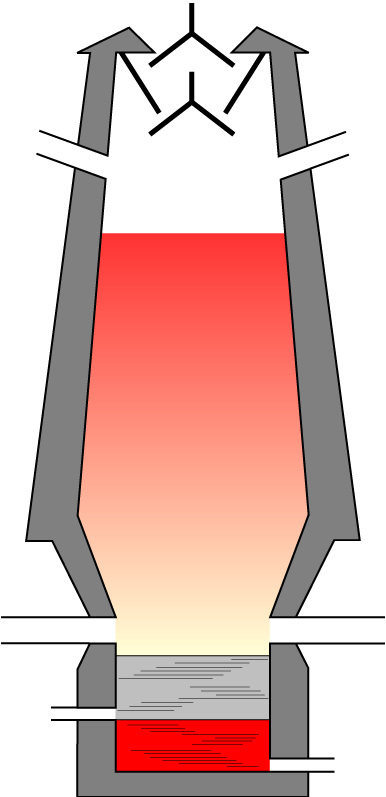
| 14. Iron can be extracted in a blast furnace. The metal oxides are reduced by carbon monoxide, CO.
|
|||||||||||||||||
The chemical equation for the reduction of iron(III)oxide, Fe2O3 is..
|
|||||||||||||||||
| 15. Sodium metal and sodium chloride both have giant lattice structures.
State the types of particle(s) present in each substance. |
|||||||||||||||||
|
|||||||||||||||||
| 16. Aluminium is extracted from molten aluminium oxide by electrolysis.
Which substances are formed at each electrode?
|
|||||||||||||||||
| 17. Magnesium is extracted from magnesium chloride found in salt brines. The magnesium chloride is first separated from the brine and then electrolyzed.
What is the formula of magnesium chloride and should molten or aqueous magnesium chloride be used for the electrolysis? |
|||||||||||||||||
|
|||||||||||||||||
| 18. When copper(I)oxide is heated with magnesium a redox reaction occurs. The equation for the reaction is:
2Cu2O + Mg → 2Cu + MgO |
|||||||||||||||||
Identify the reducing agent in this reaction.
|
|||||||||||||||||
| 19. Bronze is an alloy of tin and copper.
The diagrams show the arrangement of atoms in pure copper and in bronze.
Which of the following statements about copper and bronze are true?
|
|||||||||||||||||
|
|||||||||||||||||
20. Mild steel is an alloy of iron and carbon. Which statement is true?
|
|||||||||||||||||