
OCR GCSE Waves
Page 2
13. Which of these is the correct formula to calculate wave velocity?
|
||||||||||||||||||
14-16: What are the missing values in this table showing data for sound waves travelling through different substances? |
 |
|||||||||||||||||
|
||||||||||||||||||
17. Which of these statements best completes this sentence? "Radio waves can be produced by..
|
||||||||||||||||||
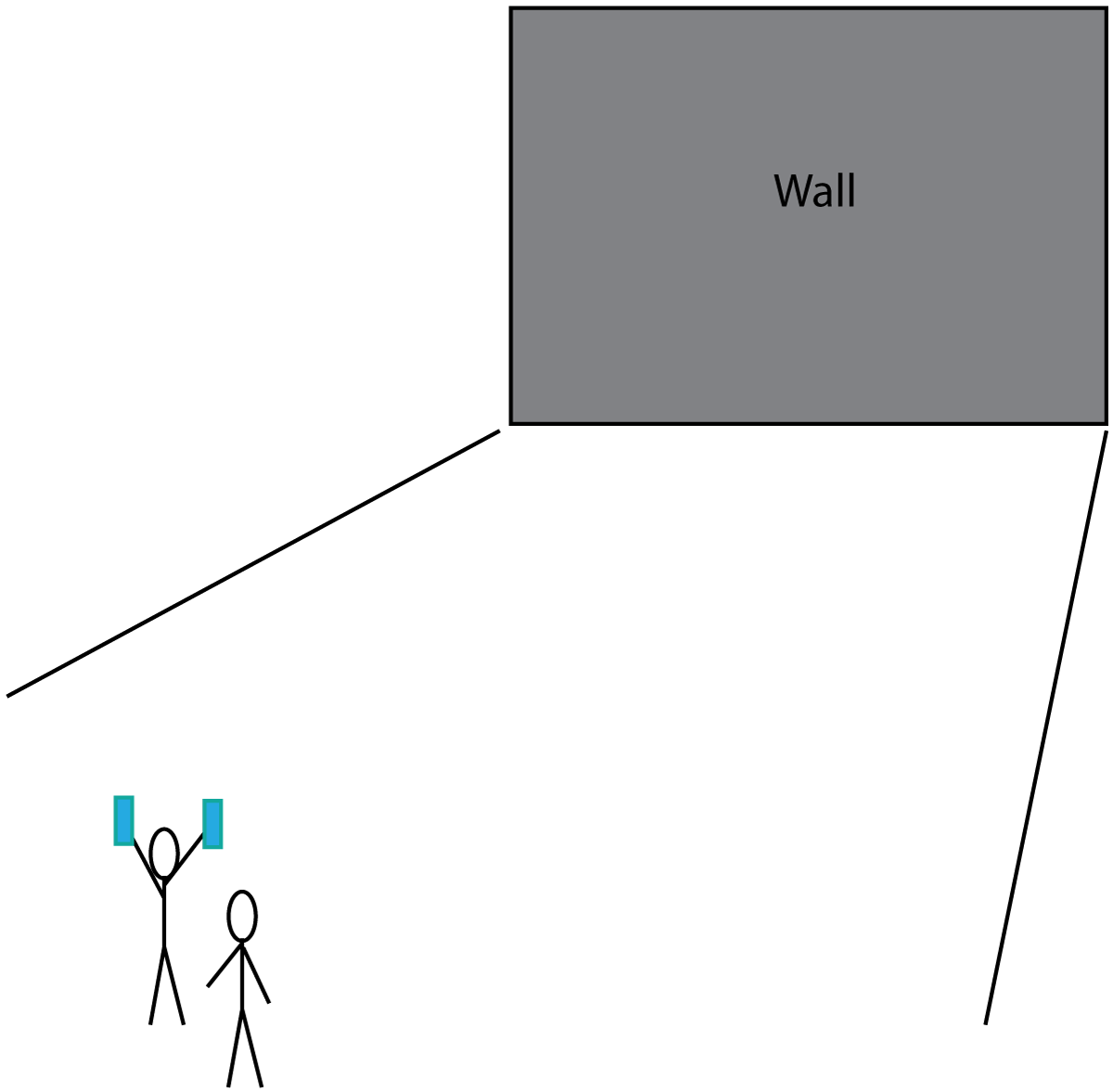
18-19: A sound wave is produced by a student banging two wooden blocks together. The student is 50m from a large wall. After 0.3s an echo is heard. |
 |
|||||||||||||||||
18. What causes the echo?
|
||||||||||||||||||
19. What is the speed of the sound wave produced?
|
||||||||||||||||||
20. The 'period' of a wave is...
|
||||||||||||||||||
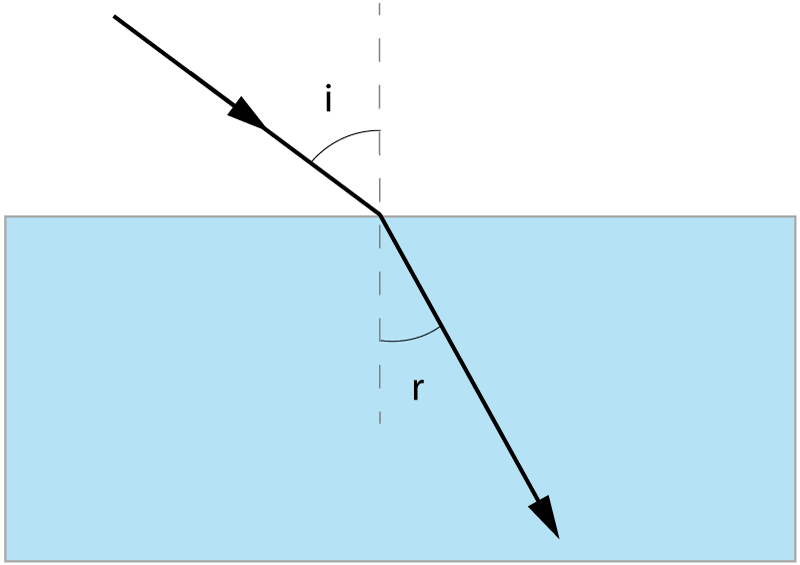
21+22. The diagram shows a ray of light entering a plastic block. The ray of light bends. |
 |
|||||||||||||||||
21. This effect is called ...
|
||||||||||||||||||
22. This happens because ...
|
||||||||||||||||||
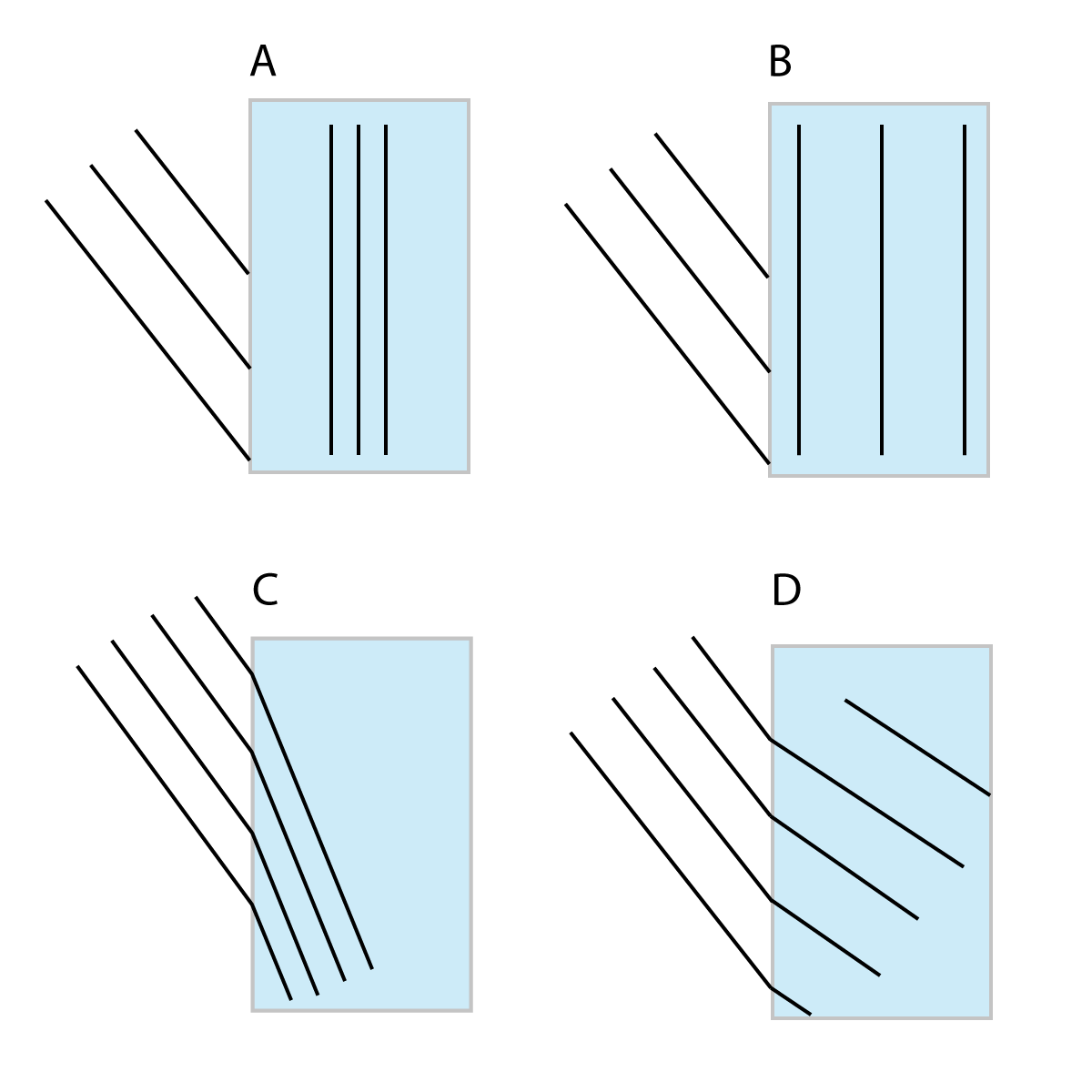
23. Which of the following diagrams best shows light wavefronts passing from left to right from air into a block of glass? (Note- not all wave fronts are shown).
|
||||||||||||||||||