
OCR GCSE Energy
Page 2
17-19: A ball rolls down a slope and up the other side . Where on the diagram does the ball... |
 |
||||
| 17. have the least kinetic energy? | |||||
| 18. have the most potential energy? | |||||
| 19. have increasing kinetic and decreasing potential energy? | |||||
20-22: The questions are about energy resources. |
|
||||
| 20. Which one only works in volcanic regions? | |||||
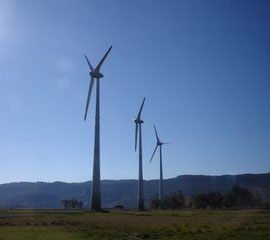
| 21. Which one of these is usually situated on a hill or at the coast? | |||||
22. How many of the energy resources listed below are classed as non-renewable?
|
|||||
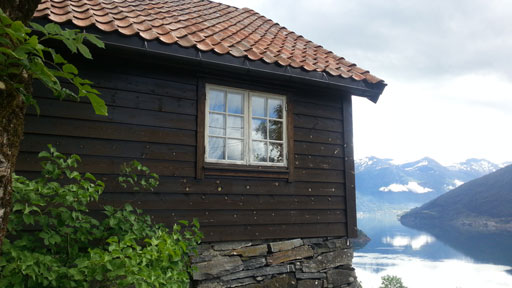
23. This is a house in Norway. Houses in cold countires need to be highly insulated with... |
 |
||||
|
|||||
24. A tennis ball of mass 100g is thrown at a speed of 8 m/s. It has a kinetic energy of:
|
|
||||
25. Which of these is the correct formula for potential energy?
|
|||||
|
26-28. A 4kg brick is held 20m above the ground.
|
|||||