
CIE IGCSE Radioactivity
Page 2
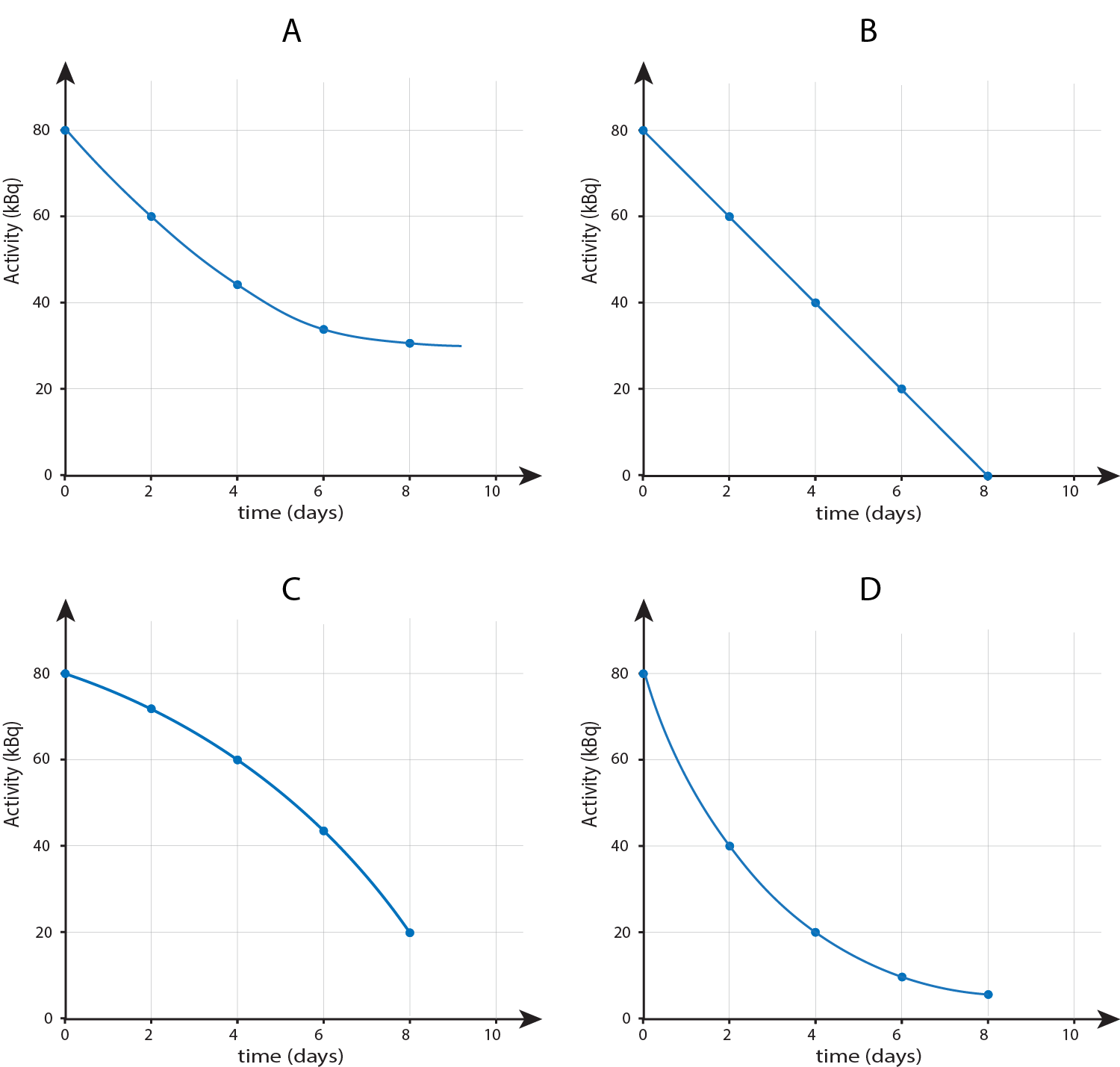
17. Which of the following graphs shows how the activity of a sample varies with time?
|
||||||||||||||||||||||||||||||||||||||||||||||||||
18. Using the correct graph above, what is the half-life of this isotope? A). 2 days |
||||||||||||||||||||||||||||||||||||||||||||||||||
| 19. A sample of 16g of radioactive substance X has a half-life of 2 hours. What percentage of the sample is left after 6 hours?
|
||||||||||||||||||||||||||||||||||||||||||||||||||
| 20. How old is the sample when only 1 gram of substance X remains?
A). 4 hours |
||||||||||||||||||||||||||||||||||||||||||||||||||
| 21. What has happened to the other 15 grams of substance X?
A). It has changed into a different element. |
||||||||||||||||||||||||||||||||||||||||||||||||||
22. Radiation can be detected using ... A) an oscilloscope |
||||||||||||||||||||||||||||||||||||||||||||||||||
| 23+24: Radioactive elements are used in medicine to trace medical conditions. | 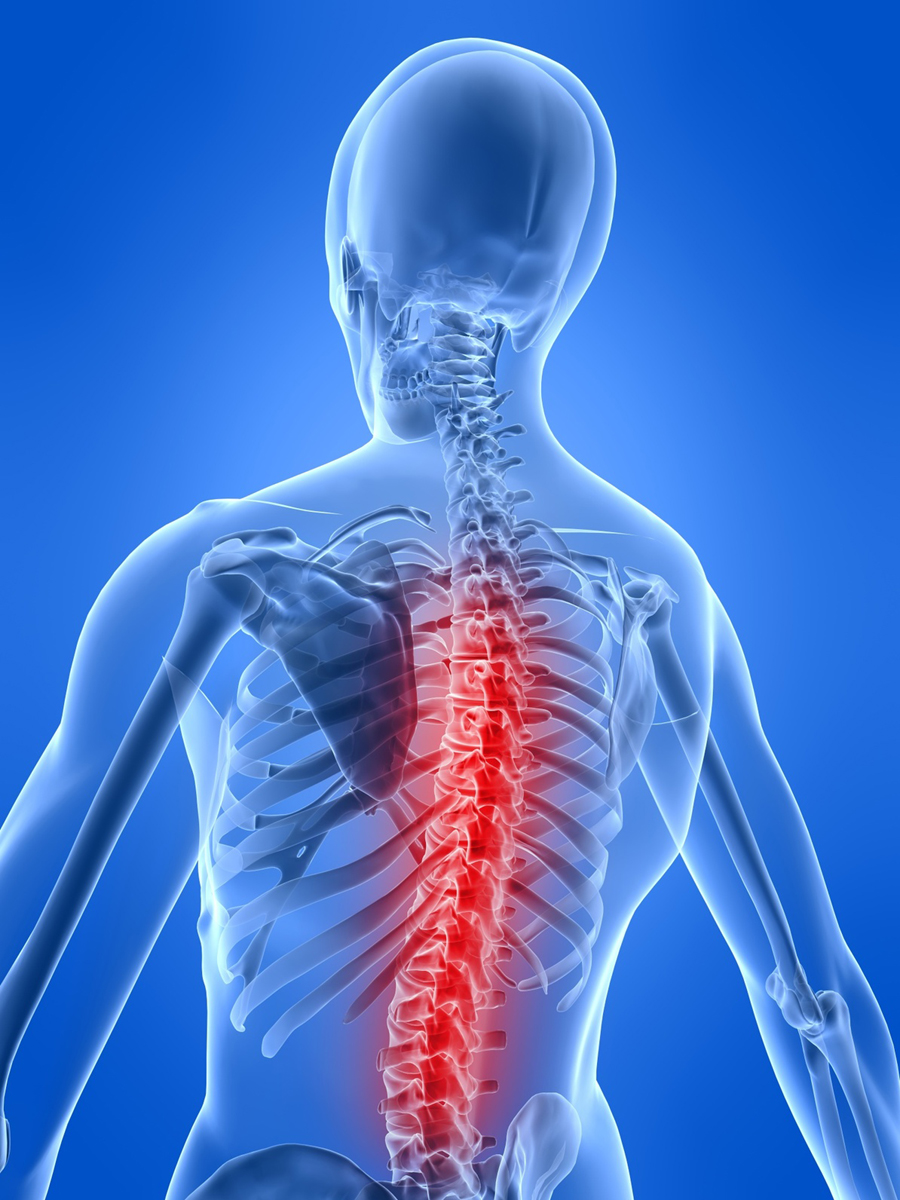 |
|||||||||||||||||||||||||||||||||||||||||||||||||
| Which of the following half-lives would be most suitable for a tracer used in a patient?
A). 3 minutes |
||||||||||||||||||||||||||||||||||||||||||||||||||
| 24. What form of radiation should it emit?
A). alpha |
||||||||||||||||||||||||||||||||||||||||||||||||||
| 25+26: These questions are about radioactive substances and safety. |  |
|||||||||||||||||||||||||||||||||||||||||||||||||
25. Radioactivity can be used to sterilise medical equipment. Which of these statements is true? A). The equipment must be contaminated with radioactive isotopes. |
||||||||||||||||||||||||||||||||||||||||||||||||||
26. Which of these statements is not true? A). Alpha particles cause tissue damage if emitted inside the body. |
||||||||||||||||||||||||||||||||||||||||||||||||||
27. When Uranium decays it emits an alpha particle, forming an isotope of Thorium. Which of the following decay equations is correct?
|
||||||||||||||||||||||||||||||||||||||||||||||||||
| 28. What change takes place to an atom during beta decay?
A). A proton changes into a neutron. |
||||||||||||||||||||||||||||||||||||||||||||||||||
|
||||||||||||||||||||||||||||||||||||||||||||||||||
|
||||||||||||||||||||||||||||||||||||||||||||||||||
| 30. In this decay equation, what are the missing numbers x and y?
|
||||||||||||||||||||||||||||||||||||||||||||||||||